Anal Fissure Treatment in Bhuj - Dr. Dipesh Thacker at Akshar Hospital
That sharp, burning pain every time you visit the bathroom is not something you should have to live with. Anal fissure is one of the most painful anorectal conditions – and one of the most undertreated, simply because people do not know where to go or feel too uncomfortable to talk about it. Dr. Dipesh Thacker, a piles doctor in Bhuj who is also a fissure specialist since 2013, has helped thousands of patients across Kutch, Gujarat, and from abroad get lasting relief from this condition. At Akshar Hospital, Bhuj, every fissure case is assessed individually and treated with the method best suited to that patient.
If pain during bowel movements has been affecting your daily life, this is the right place to start.
That Pain Every Morning Does Not Have to Be Your Normal.
Talk to Dr. Dipesh Today.
What Is an Anal Fissure?
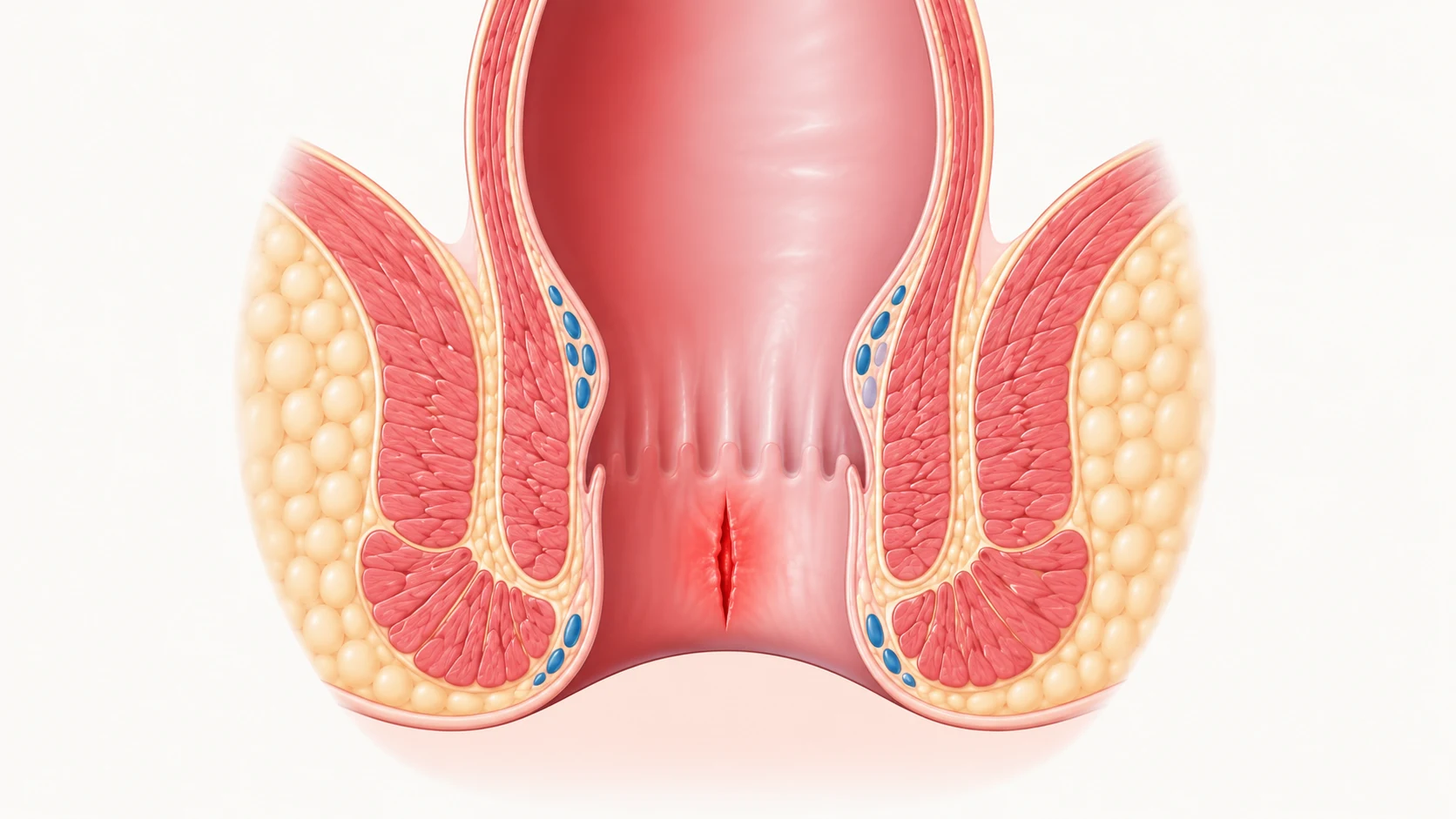
An anal fissure is a small tear or cut in the lining of the anal canal – the short tube through which stool passes out of the body. This tear exposes the underlying muscle, which is why fissures tend to be disproportionately painful despite being small in size.
Fissures can be acute (short-term) or chronic (long-standing). Acute fissures often heal with conservative treatment. Chronic fissures, which have been present for more than six to eight weeks, tend to be deeper, may develop a skin tag or sentinel pile at the outer edge, and almost always need more focused treatment.
Common symptoms of anal fissure include:
Severe, sharp pain during and after bowel movements
Bright red blood on toilet paper or in the toilet bowl
A visible tear or cut near the anus
A burning or stinging sensation that can last hours after passing stools
Itching around the anal area
A small lump or skin tag near the fissure in chronic cases
Acute Fissure vs Chronic Fissure - What Is the Difference?
Understanding whether a fissure is acute or chronic is the first step toward the right treatment plan. Dr. Dipesh assesses this during the first consultation.
| Acute Fissure | Chronic Fissure | |
| Duration | Less than 6 to 8 weeks | More than 6 to 8 weeks |
| Appearance | Fresh tear, clean edges | Deep tear, thickened edges, possible skin tag |
| Pain level | Severe during bowel movements | Severe and may persist longer after stools |
| Treatment | Conservative management usually effective | Often requires procedural or surgical intervention |
| Recurrence | Less likely with proper care | Higher if not treated correctly |
Doctor Quote:
“Most patients who come to me with chronic fissures have been managing the pain for months – sometimes over a year. They have tried home remedies, changed their diet, and still the pain keeps coming back. The reason is simple: a chronic fissure has structural changes that conservative treatment alone cannot reverse. The sooner we intervene properly, the better the outcome.”
– Dr. Dipesh Thacker,
Akshar Hospital, Bhuj
Months of Pain Is Too Long.
Find Out Which Type You Have and What Can Be Done.
Types of Anal Fissure - Explained Simply
Not all fissures are the same. Understanding which type you have is what determines how it is treated. Dr. Dipesh Thacker at Akshar Hospital, Bhuj assesses the type of fissure during the first consultation before recommending any treatment.
Primary Fissure
A primary fissure, also called an idiopathic fissure, develops on its own without any underlying disease causing it. It is the most common type. The usual triggers are constipation, hard stools, straining during bowel movements, or repeated diarrhoea. Most patients who come to Dr. Dipesh with a fissure have this type. Primary fissures are located at the posterior midline of the anal canal in most cases – the six o’clock position – and respond well to treatment when addressed at the right time.
Secondary Fissure
A secondary fissure develops as a result of an underlying medical condition. This includes conditions like Crohn’s disease, ulcerative colitis, tuberculosis, sexually transmitted infections, or previous anal surgery. Secondary fissures may appear at unusual positions in the anal canal – not just the posterior midline – and tend to be harder to treat if the underlying condition is not managed alongside the fissure. Dr. Dipesh evaluates for any underlying cause during the consultation, especially when the presentation is atypical.
Acute Fissure
An acute fissure is a fresh tear – typically present for less than six to eight weeks. It has clean, sharp edges and responds well to conservative management in most cases. The pain is intense but there are usually no structural changes to the surrounding tissue yet.
Chronic Fissure
A chronic fissure has been present for more than six to eight weeks. Over time the edges become thickened and fibrotic. A sentinel skin tag often develops at the outer end and hypertrophied anal papillae may appear at the inner end – both signs that the fissure has been present and untreated for a significant period. Chronic fissures almost always need procedural or surgical treatment since conservative management alone is rarely sufficient at this stage.
What Causes Anal Fissures?
Fissures develop when the anal lining is stretched beyond its capacity or when blood supply to the area is reduced. The most common causes include:
Low fibre diet and inadequate fluid intake
Tight anal sphincter muscle reducing blood flow to the lining
Previous anal surgery or trauma in rare cases
Fissures are common in both adults and children and are not a sign of any serious underlying disease in most cases. However, a proper examination is essential to rule out other conditions that can look similar.
How Dr. Dipesh Thacker Treats Anal Fissures at Akshar Hospital
Treatment for anal fissure depends entirely on whether the fissure is acute or chronic and how the patient has responded to any previous management. Dr. Dipesh follows a step-by-step approach – starting with the simplest option and moving to procedural or surgical treatment only when needed.

Ayurvedic Management
For acute fissures and mild chronic fissures, ayurvedic treatment is always the first line. This includes dietary changes to soften stools, increased fluid intake, topical medications to relax the sphincter muscle and improve blood flow, sitz baths, and guidance on bowel habits. Many acute fissures heal completely with this approach if followed correctly.

Lateral Internal Sphincterotomy (LIS)
For chronic fissures that have not responded to conservative treatment, Lateral Internal Sphincterotomy is the most clinically established surgical procedure. A small portion of the internal anal sphincter muscle is slit to reduce the spasm and improve blood supply to the fissure, allowing it to heal. Dr. Dipesh performs this procedure at Akshar Hospital, Bhuj, with a high success rate and low recurrence when done.

Fissurectomy / Excision of Fissure
In cases where the fissure tissue itself needs to be removed, Dr. Dipesh performs a Fissurectomy – a surgical procedure where the fissure is excised to allow healthy tissue to grow in its place. This is typically recommended for deep or non-healing chronic fissures that have not responded to other treatments.

Excision of Sentinel Tag
A sentinel tag is a small skin tag that develops near the anus as a complication of an untreated or long-standing fissure. It is a sign that the fissure has been present for a significant period. Dr. Dipesh surgically removes the sentinel tag as part of the overall fissure treatment when present, ensuring complete resolution rather than addressing the fissure alone.

Excision of Hypertrophied Anal Papillae
Hypertrophied anal papillae are enlarged tissue tags inside the anal canal that develop as another complication of an untreated fissure. They can cause discomfort, a sensation of something protruding, and itching. Dr. Dipesh excises these as part of a comprehensive fissure treatment plan at Akshar Hospital, Bhuj.
What to Expect at Your First Consultation with Dr. Dipesh
Visiting a specialist for an anal fissure can feel intimidating. At Akshar Hospital, Dr. Dipesh and his team make sure every patient feels comfortable from the moment they walk in.
Here is what your first appointment looks like:
Dr. Dipesh begins with a detailed history, How long the pain has been there, what makes it worse, any previous treatments tried
Why Patients Choose Dr. Dipesh Thacker for Fissure Treatment in Bhuj
Treatment for anal fissure depends entirely on whether the fissure is acute or chronic and how the patient has responded to any previous management. Dr. Dipesh follows a step-by-step approach – starting with the simplest option and moving to procedural or surgical treatment only when needed.
Practicing since 2013
entirely focused on piles, fissure, fistula, and anorectal disorders, not a general practice
Both classical and surgical options available
the right method is chosen based on the patient’s condition, not convenience
Kshar Sutra specialist
one of very few trained practitioners of this time-tested classical technique in Kutch and Gujarat
Honest, patient-first approach
only what is genuinely needed is recommended, nothing more
Private and respectful consultations
complete confidentiality and dignity at every step
Patients from across Gujarat and internationally
the expertise Dr. Dipesh brings draws patients well beyond Bhuj and Kutch
ISO 9001:2015 certified hospital
Akshar Hospital is independently assessed for quality management and meets international standards of care
Doctor Quote:
“A fissure is genuinely one of the most painful conditions I treat – patients often describe it as passing glass. But it is also one of the most treatable. The right diagnosis and the right method make all the difference.”
– Dr. Dipesh Thacker,
Akshar Hospital, Bhuj
Let Dr. Dipesh Help You Get Back to Normal
Fissure Treatment at Akshar Hospital - At a Glance
| Conditions Treated | Acute Fissure, Chronic Fissure |
| Treatment Options | Conservative, LIS Surgery, Excision of Sentinel Tag, Excision of Hypertrophied Anal Papillae |
| Specialist | Dr. Dipesh Thacker (since 2013) |
| Location | Akshar Hospital, Bhuj, Kutch, Gujarat |
| Certification | ISO 9001:2015 Certified |
| Patients Served | Local, Pan-Gujarat and International |
Doctor Quote:
“I always tell my patients – if the pain during a bowel movement has changed how you live your day, that is already too much. You do not have to reach a breaking point before seeking help.”
– Dr. Dipesh Thacker,
Akshar Hospital, Bhuj
Frequently Asked Questions About Fissure Treatment
How do I know if I have a fissure or piles?
Can a fissure heal on its own?
Is fissure surgery in Bhuj safe?
How long does recovery take after fissure surgery?
Will the fissure come back after treatment?
Ready to Stop the Pain for Good?
Book Your Consultation with Dr. Dipesh Thacker at Akshar Hospital Today